Thursday, September 29, 2011

Epy Guerrero’s baseball legacy lives in the US and the Dominican Republic

By: Chris Martinez
InteRDom Intern Fall 2011
InteRDom Experience Series Article #1


Christine Martinez studies Global Studies with minors in journalism and Spanish at San Jose State University in San Jose, California. She is participating in InteRDom's Fall 2011 Academic Semester, taking courses at a local university and carrying out a research project specially structured for her by InteRDom staff on the business of baseball in the Dominican Republic. The articles that she produces will be published on this blog under the tag "InteRDom Experience Series." To read more about Chris' experience with InteRDom in the Dominican Republic, read the InteRDom Experience Series on the InteRDom webpage.

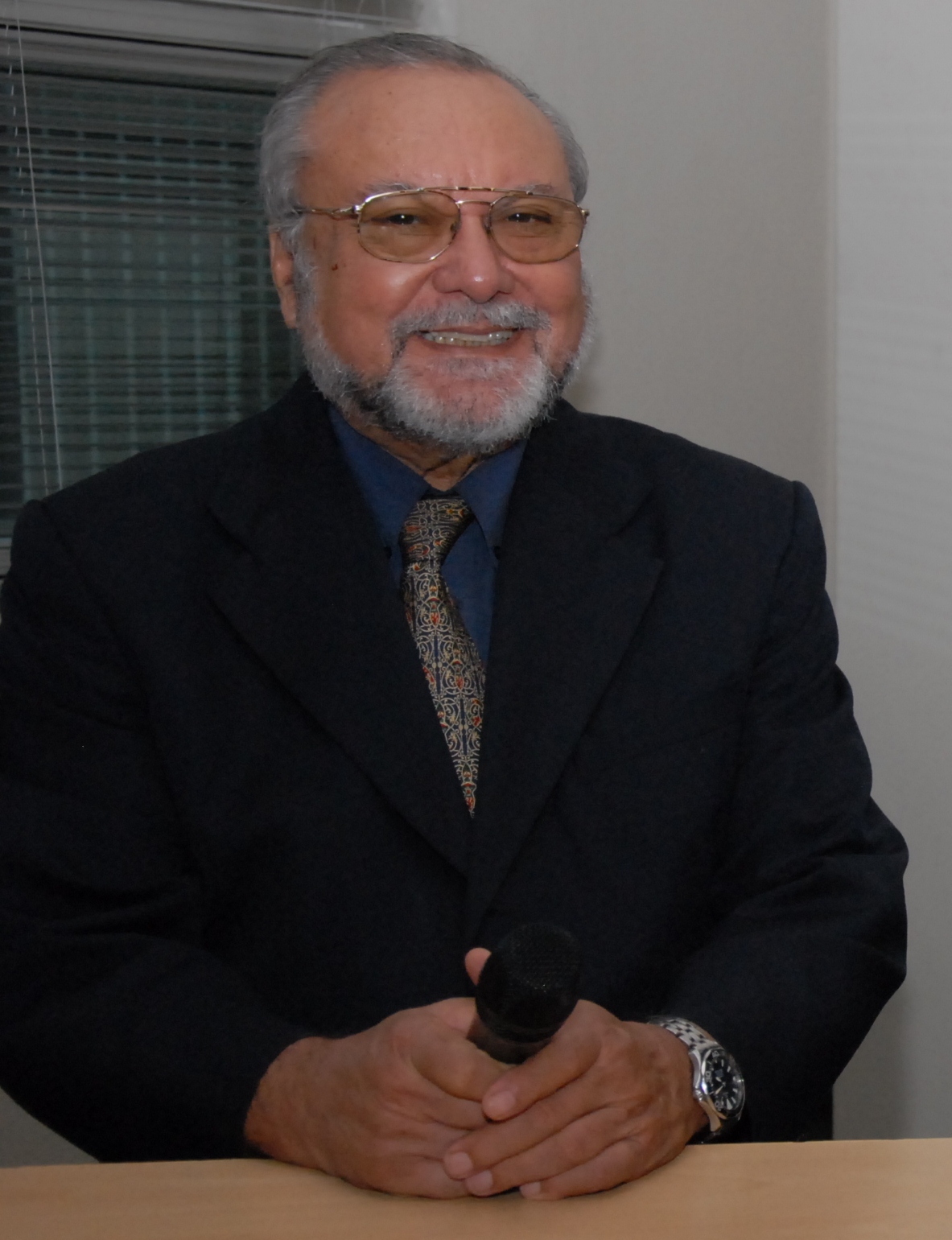
To understand baseball in the Dominican Republic, it's best to consult the best man for the job. Epifanio Guerrero has signed more players to Major League contracts than any scout, has produced World Series winning talent, and has won loads of awards for his accomplishments. He continues his work as an independent scout in the Dominican Republic today.

These days, Epy is an affable guy who's eager to tell stories of his 40 years in baseball. His house at his training complex in Villa Mella has a room full of pictures of his players, articles about his work, and awards for his achievements.

Guerrero's success in the sport can be summarized in a framed photo sitting in his Santo Domingo home. It's the three newest members of the Baseball Hall of Fame and Museum in Cooperstown, N.Y.: right-handed pitcher Bert Blyleven, infielder Roberto Alomar, and executive Pat Gillick. The trio was inducted into the Hall of Fame this July, and Guerrero was on hand to celebrate with Alomar and Gillick, two men who owe much of their success to Guerrero.

Guerrero worked as a scout in the Toronto Blue Jays organization, signing and developing players like Carlos Delgado, Tony Fernandez, and Damaso Garcia. In 1991, fourteen of the players on Toronto's 40-man roster were guys Guerrero signed and developed. The following year, the Dominican Summer League Blue Jays won 38 games to start the 1992 season before finishing 68-2.

Artifacts of both milestones are also in Guerrero's Santo Domingo home. There's a picture, yellowed with age and hanging on the wall, of Guerrero standing with seven of his kids in 1991. A white baseball cap embroidered with the old Blue Jays logo and a special inscription of the DSL team's 38-0 record hangs on his bureau.

Of course, there is the big prize of the Blue Jays organization. Toronto won back-to-back World Series titles in 1992 and 1993, thanks in no small part to Guerrero's talent pool. Alomar was one of the offensive stars of those teams.

Gillick was the general manager of the Blue Jays when they won their world titles and went on to win another World Series with Philadelphia in 2008 before retiring from executive work.

Guerrero built the Toronto teams for Gillick, someone he's still close with and refers to as a father figure.

Guerrero has also scouted for Houston and Milwaukee but has seen the greatest achievements of his career come in Toronto. Now he works for himself, developing Dominican kids independent of any one team.

Guerrero’s legacy in the Dominican Republic can be seen in the talent he sends to the Major Leagues, but also in his most important organization: his family.

It’s clear that Guerrero values family in baseball. His sons Sandy, Patrick, and Mike all work in the sport. Sandy is the hitting coach for the Triple-A Nashville Sounds in the Brewers organization and Mike was a manager for Double-A Huntsville, also a Brewers affiliate, in 2009. Patrick works with his father in the Villa Mella camp.

Friday, September 2, 2011

The Field of International Relations in the Dominican Republic

By: Jatnna Garcia
InteRDom Caribbean Summer 2011 Alumnus

Growing up in the Dominican Republic was a great experience. There are so many things to love about this tiny island, from its weather to its people. Through the different multicultural activities at school, I met people from all over the world with all sorts of races, religions, and cultures. I became highly interested in foreign languages, the way people from different nations interacted, and how people with different cultural backgrounds got along. I knew ever since elementary school that I wanted to get to know many cultures, further interact with people from around the world, and learn more about different nations, therefore, international relations seemed like the best career choice for me. Eventually, I figured that it was important for me to study in another country, in order to better understand how one’s culture, religion, native language and so on could affect the way one formed relations with different people. This is what mostly influenced my decision to finish high school in the US and go on to college in the same country. Besides, I realized it would be a great way to get some firsthand experience on international relations. Also, few to no Dominican colleges offered the program, so the best decision seemed to be to leave the country.

Coming back to the Dominican Republic to work for a local NGO that deals with International Relations so closely as does the Dominican Council of International Relations (CDRI), under the initiative of FUNGLODE, was a marvelous experience. It feels great to be able to, through my chosen career path, give back to the land in which I grew up. Since I left, I always came back for vacations, but none had been as long and beneficial as this one. I got to see and be a part of a lot of changes taking place in regards to education in the country, one being in the area of international relations itself. Careers in diplomacy and international relations are now offered in two local universities (UNICARIBE & UCSD), and more programs, including masters and graduate programs are being drafted. Lastly, I noticed that more and more people are interested in international relations here in the Dominican Republic, and that the country is getting more and more involved in international affairs. These discoveries fill my heart with joy because, although there's still a long way to go, Dominican Republic, in comparison with other countries in the Region, keeps an accelerated pace in terms of development, in accordance to the demands of a globalized planet.

Friday, August 12, 2011

Links between Globalization, Internships, Education and International Exchange: Internship Certification Seminar

By: Joaquin Salazar
InteRDom Consultant and Certification Instructor


With the turn of the 21st Century, humanity finds itself in the midst of an information revolution generally known as globalization. It became especially significant following World War II, which brought the devastating consequences of death and destruction, and in turn awakened academic, philosophical and world political bodies that lead to the signing of the Charter of the United Nations in June 1945.

The goal of the United Nations was cultural interchange on a global basis, which is expressed in the Universal Declaration of UNESCO on Cultural Diversity in paragraph 2:

“In our increasingly diverse societies, it is essential to ensure harmonious interaction among people and groups with plural, varied and dynamic cultural identities as well as their willingness to live together. Policies for the inclusion and participation of all citizens are guarantees of social cohesion, the vitality of civil society and peace. Thus defined, cultural pluralism gives policy expression to the reality of cultural diversity. Indissociable from a democratic framework, cultural pluralism is conducive to cultural exchange and to the flourishing of creative capacities that sustain public life.”

This Declaration implies a deep understanding of the movement known as globalization, which has been on the rise in recent years in all areas of human activity. In 1961, by executive order of US President John F. Kennedy, the Peace Corps was founded as a way for young Americans to contribute to the goal of helping people outside the United States to understand American culture and to help Americans understand the cultures of other countries.

Since that time, many international internship and exchange programs have undertaken the same goals and offered students from around the world a chance to do the same: to obtain-- with little sacrifice and ample international funding-- cultural, social and professional experiences in new places while integrating in other national cultures, races, ethnicities and religions without preconceptions and prejudices. It is about promoting genuine friendship among people, a goal for which the great thinkers of humankind have always advocated.

In 2005, Fundación Global Democracia y Desarrollo (FUNGLODE) and Global Foundation for Democracy and Development (GFDD) joined this movement through its specialized unit known as InteRDom, which offers internship programs in the Dominican Republic for students from the most important universities in the United States.

In 2009, InteRDom went even further by beginning its Internship Certification Seminar. To date they have certified three groups of Monitors. The purpose of these certifications is to train personnel to be coordinators of internship programs within Dominican companies, state and government institutions and NGOs in order to create a synergy between the academic world and the companies or institutions receiving the interns.


InteRDom directors believed it was important to expand the Internship Certification Program to universities in order to fulfill the triad of the internship parties:


  • the intern

  • the academic institution

  • the company or organization hosting the intern


The academic institution or company hosting the intern should combine efforts to ensure that the internship provides a valuable human educational experience as well as a quality professional experience for the intern. It is about “learning by doing” and establishing a genuine link between the student and the professional at work.

Based on the system theory of Austro-German theoretical biologist, Karl Ludwig Von Bertalanffy, who in 1901 developed the General Systems Theory, which states that everything is interconnected; academic institutions and businesses constitute social cells and interdependent productive sources which interact and provide mutual nourishment.

Both, in their own right, have a great deal of social obligation and responsibility to the populations around them as well as to other institutions, financial as well as political and social, in all countries.

According to this view, the synergy between educational institutions, industry and state institutions is intimately shared and understood; human beings, the product of this synergy, should also possess a mentality in keeping with this vision.

If, furthermore, we delve into the perception of personal competences that govern individual and collective life among human beings within communities, we see clearly that internships, as educational and professional experiences, perfect these competences to produce an individual capable of interacting with his/her fellow human beings as individual and collective entities based on personal and professional knowledge which will, in turn, contribute to the advancement of the general collective.

Indeed we are facing a new concept of internship, a global vision of transforming humans into interns, as well as transforming academic institutions, business and governmental institutions into entities that are responsible for the social and collective well-being.

Friday, June 17, 2011

Service Learning in Batey Libertad

By: Cynthia So
Executive Director, Yspaniola

Batey Libertad has seen its share of visitors. Youth from the batey are adept at using Facebook and have accumulated friends from across the world. Students are motivated to learn English, knowing they can practice their skills each time a group comes to visit. More importantly, over the years Batey Libertad has benefitted from community development projects that have provided colorful cement homes, latrines, better roads, community centers, potable water, and scholarships for education. Service-learning programs have provided mutual benefit for both groups visiting the batey, as well as for the community.

Batey Libertad is unique in many ways, making it an ideal destination for travelers who wish to experience a different side of the Dominican Republic. The community has been overwhelmingly receptive to visitors. Families welcome visitors into homes, share meals and stories, and build friendships across cultural lines. Over the years, leaders have developed within the community, helping to facilitate the logistics of trips and homestays, and working to maintain a safe and welcoming environment within the batey.

Yspaniola is a non-profit that seeks to provide enriching service-learning experiences for individuals who wish to visit the bateys. Yspaniola initially developed from a service-learning trip led by undergraduate students from Yale to Batey Libertad in 2005. The students were inspired by their experiences in the batey and wanted to continue a productive partnership with the community. By collaborating directly with community leaders and residents, we ensure that projects are valued and needed within the batey, and that they can be sustained after groups leave the community.

Friday, June 10, 2011

InteRDom Blog Has a New Look

Over the past couple of years, InteRDom Internships in the Dominican Republic has grown, expanded and changed much like the world that we live in. The simple “student experience” format of the former blog no longer reflected the multiple facets of the program. More than just a simple internship and academic study program, InteRDom now has a number of projects and collaborations promoting international intellectual exchange and the economic development of a spectrum of sectors in the Dominican Republic. A couple of these programs are:

Internship Supervisor Certification Seminar— An innovative training program designed to capacitate directors and employees of Dominican and international organizations interested in implementing new internship programs or in improving existing ones in their respective companies or institutions. Its content is developed by InteRDom staff members and consultants, and the program is given approximately three times a year in the Dominican Republic. This program ensures a successful internship experience for both interns and organizations.

Fellows ProgramInaugurated in 2010, the Fellows Program seeks to develop a community of scholars that contributes to the Foundation’s growing body of research on matters of international concern that directly impact the Dominican Republic. In the Fellows Program, Master’s and PhD candidates travel to the Dominican Republic through InteRDom to conduct high-level research on issues at the forefront of the United Nations agenda in order to give voice to national and regional concerns and to offer viable solutions to domestic and international challenges. Fellows that carry-out exemplary work have the opportunity to present their findings before the United Nations community on behalf of GFDD.

“Expert in the Spanish Caribbean” and other short programsIn an effort to respond to the specific needs of universities, to encourage graduate and undergraduate students to deepen their learning and research on Caribbean issues and to aid teachers and professors in the internationalization of their curriculum, InteRDom has begun to develop short programs to respond to specific proposals presented by universities and centers. The programs run from 1 – 4 weeks based around specific subjects and themes. Some topics explored in 2011 include: the Dominican Carnaval, political science, service-learning, Colonial Latin America and its effects on modern Dominican identity and Spanish language immersion. The concept of Expert in the Spanish Caribbean is the result of the desire of the program to specialize its program offering and to generate a culture of exchange. The short programs complement the vision of InteRDom’s parent institutions Global Foundation for Democracy and Development (GFDD) and Fundacion Global Democracia y Desarrollo (FUNGLODE) to generate innovative programming and conversation around issues relevant to the region.

InteRDom wants the new look and content of the InteRDom blog to reflect these themes, as well as other topics related to our work, such as international education, global business practices, career development strategies, Dominican and Caribbean issues and cross-cultural awareness. The contributors to this blog are not only InteRDom staff members, but friends of the program, collaborators, program alumni, current students and experts and professionals in a number of fields. It is our hope that the things posted here will inspire lively debate and increased interest in intellectual exchange and the development of Hispaniola.

InteRDom is receiving thoughtful proposals from contributors who would like to share their stories, experiences and information about these and other topics. If you would like to contribute, please send a draft to students@interdominternships.org.

Wednesday, July 22, 2009

"Get Together" with InteRDom!

There’s never a dull moment on the InteRDom program! Aside from the 4 cultural trips around the Dominican Republic, InteRDom organizes a series of informal “get-togethers” to give students the opportunity to catch up with one another, share ideas about their internships and classes and get to know different places in Santo Domingo.

In the Summer of 2009, the interns have had the opportunity to go on a number of sponsored get-togethers, including a pizza night, a 4th of July party, a meeting with the Director of FUNGLODE and a tour of the National Congress building.

At the pizza night, the interns were joined by Dominican journalism interns from Listin Diario’s “Journalist for a Year” program, giving them the opportunity to share experiences about university life and internships with one another. The Listin Diario interns also proved to be a wealth of support and knowledge for the InteRDom interns working on research and study projects. All of this against the backdrop of a truly Dominican pizzeria, and the night was made!

The 4th of July party was another spectacular evening! The interns were invited to the house of the United States Ambassador in the Dominican Republic for their annual Independence Day Celebration. The extravagant poolside celebration, featuring lavish buffet tables under 3 large tents, was an excellent networking opportunity for the students, who had the opportunity to meet both American and Dominican officials such as Max Puig, Dominican Secretary of Labor; Miguel Vargas Maldonado, President of the Partido Revolucionario Dominicano; and Roland W. Bullen, Minister-Counselor of the U.S. Embassy in Santo Domingo, as well as various journalism and television personalities.

In addition to these social activities, InteRDom students were also invited to a meeting to meet the new Executive Director of Fundación Global Democracia y Desarrollo (FUNGLODE), Marcos Herrera, and to tour the National Congress building by Senator Dominguez Brito of Santiago. Both events were excellent networking opportunities, as well as a chance for the students to ask questions and get a more behind-the-scenes look at how government and politics function in the Dominican Republic.

All of this and the summer isn’t over yet! There’s even more in store for the Summer of 2009…Stay tuned!

Monday, May 18, 2009

TOP Summer Internships!

InteRDom partners with over 300 companies and organizations in the Dominican Republic to bring students a wide variety of projects and opportunities to match each student’s study area, skills and talents! As the needs and interests of companies, organizations and communities are constantly changing with the times, so are their internships! Here is just a sampling of 3 of the TOP internships of the Summer 2009:

The first is in one of the region’s foremost NGOs: the Pan American Development Foundation (PADF). PADF is an international NGO that does work in disadvantaged communities all throughout Latin America and the Caribbean; specifically in the Dominican Republic, the Fwontyè Nou—Nuestra Frontera (Our Border) program implements projects intending to create economic opportunities and mitigate conflict along the poverty-ridden Dominican Republic-Haitian border region. This summer’s intern will be developing a business plan to unify the farming organizations along the border in order to help them work together to give their products a more competitive edge on the world market.

The second TOP internship is in another important NGO, but this one is in a local grassroots organization called Sur Futuro. Sur Futuro is an organization focused on bringing about social and economic transformation in the Southern region of the country using business development plans that focus on local capacity-building, protection of the environment and sustainable use of natural resources. Sur Futuro uses interns to help develop any and all of their projects, and this summer one student will be the Business Development and Fundraising Assistant for the new Sabana Yegua Upper Watershed Management Project. This project aims to restore and protect the natural resources of the river basins of the Sabana Yegua region. The InteRDom intern assigned to this project will create a business proposal for local entrepreneurs that promotes the sustainable management and development of the land. He will also assist in developing a fund-raising plan to support all of the organization’s environmental compensation projects.

Lastly, this summer one intern will be working in conjunction with Fundación Global Democracia y Desarrollo (InteRDom’s sponsoring institution) and the Ministry of Labor of the Dominican Republic to research and develop a proposal for legislation that will regulate and promote internships in the country. This is very important work as the current laws of the Dominican Republic do not include internships at all, but their insertion into regular Dominican business practices would help alleviate many problems currently on the rise in the business sector, including the lack of preparedness of college graduates to enter the workplace. The work of this intern will be included in the final proposal that will go before Congress petitioning for an addition to the labor laws and regulations of the Dominican Republic.

As you can see, InteRDom interns in the Dominican Republic have exciting work opportunities that make an impact on both smaller communities and the nation as a whole. This is just a sampling of the wide variety of opportunities that students from all field of study have to put their skills into practice and aid in the development of a nation. That’s why InteRDom interns are the cream of the crop!